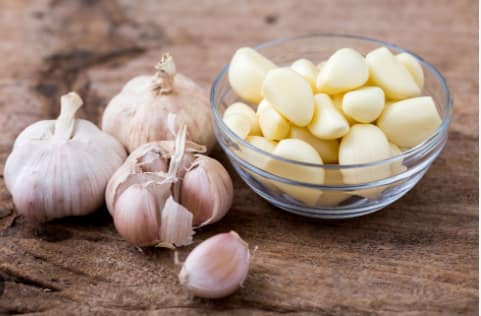
Garlic cloves are commonly used in the food industry for their distinct flavor and aroma. They add a pungent, savory, and slightly sweet taste to a wide range of dishes. They are often use in sausages and condiments, used to flavor bread, rolls, and other baked goods and also used in the production of various processed foods such as frozen meals, canned soups, and snack items like garlic-flavored chips or crackers. They have broad range of application from noodles seasoning, pickles, sauces, canned food, meat products and more. Garlic cloves are a versatile ingredient in the food industry, contributing their unique flavor and aroma to a wide variety of dishes and products. Whether used fresh, minced, or processed into various forms, garlic continues to be a popular choice in culinary applications.
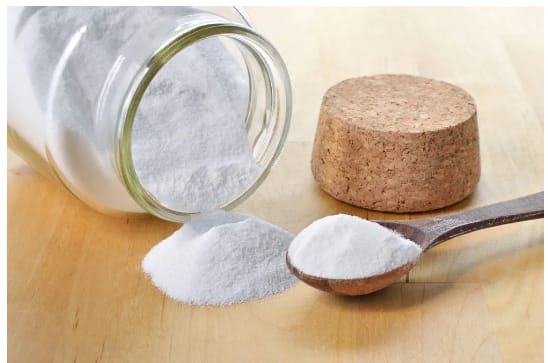
Sodium bicarbonate also known as bicarbonate of soda is the oldest leavening agent used in baked goods. Sodium bicarbonate is a white, odorless, crystalline solid or powder that is stable in dry air, but that slowly decomposes in moist air to form sodium carbonate. It requires heat and/or an acid to generate leavening gases, which results in the rise of the product. With its properties as a raising agent, sodium bicarbonate can be used in bakery and pastry applications to cook cakes, crackers, waffles, and more. It is also used in drinks for its carbonating and/or foaming properties. Sodium bicarbonate can be added to noodle dough as a leavening agent can result in noodles with a lighter, fluffier texture. Bicarbonates also function to control the pH of the system which impacts the flavor and color of the product. It creates a finer crumb, provide a distinctive salty flavor and may have effect on gluten strength.

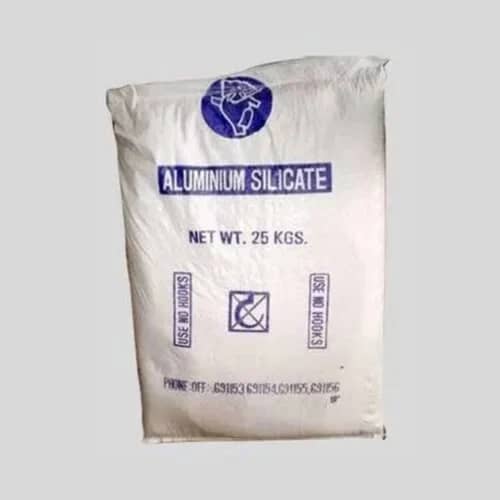
Aluminum silicate, is a naturally occurring mineral that is commonly used in the food industry for various purposes. One of the many food additives used by producers to enhance certain aspects of their product and attract customers is aluminum silicate. It is primarily used as an anti-caking agent in powdered or granulated food products, such as spices, salt, sugar, and some baking mixes. It helps prevent these ingredients from clumping together, ensuring a free-flowing and easily pourable texture. It helps prevent the noodles and seasoning powder from clumping together during storage by absorbing excess moisture. It works by absorbing moisture and preventing the formation of clumps, which helps maintain the texture and quality of the noodles.
This ensures that the noodles remain free-flowing and maintain their individuality. In the production of some beverages, such as wine and beer, aluminum silicate can be used as a fining or clarifying agent.

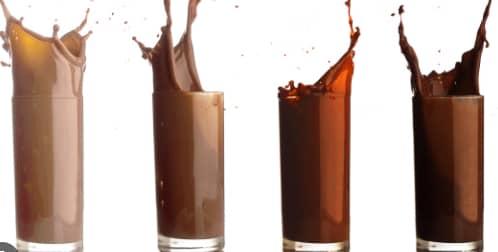
Caramel color is a pigment or food additive produced by caramelization or sugaring, usually by heating sugary substances often in the presence of acids, alkalis, or salts, which leads to caramelization—a process where sugar undergoes a chemical transformation when exposed to heat at high temperatures. It is a food coloring that can provide different shades of color, from light brown to dark brown, reddish brown, coffee or red. Caramel can be added to foods in liquid or powder form to intensify the color and/or flavor of foods. Caramel color used in Bread, biscuits, cakes beverages and meat products. The color and taste of caramel can achieve a good coordination effect, making the drink sweeter and more delicious. It can make bread, biscuit and pastry more sweet, soft and delicious. caramel color can also be used for seasoning and coloring of meat products. When marinating meat or grilling meat products, caramel color can increase the color of meat. There are several types of caramel color, classified based on their production methods and applications:
- Caramel Color I (Class I or Caramel Color I): This is produced by heating sugar alone. It’s typically used in foods and beverages where a natural caramel flavor and color are desired.
- Caramel Color II (Class II or Caramel Color II): Created by heating sugar with food-grade acids, this type is often used in soft drinks and other processed foods.
- Caramel Color III (Class III or Caramel Color III): Produced by heating sugar with alkalis, this type is used in a variety of food products, including baked goods and sauces.
- Caramel Color IV (Class IV or Caramel Color IV): Made by heating sugar with both acids and alkalis, this type is used in products where a more stable color is required, such as in cola beverages and certain sauces.
Caramel color is not only valued for its aesthetic qualities but also for its ability to enhance the appearance and sometimes the flavor of products. It’s a staple in the food and beverage industry and is generally recognized as safe when used within established guidelines.

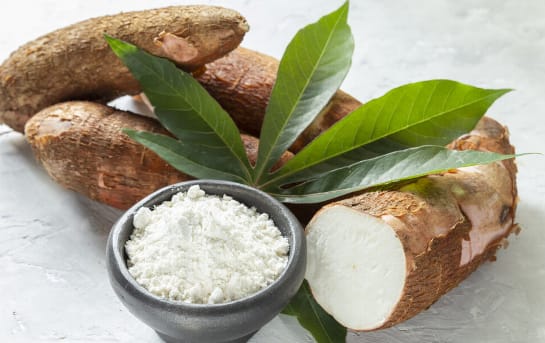
Tapioca starch, also known as tapioca flour, is a starchy white substance extracted from the roots of the cassava plant (Manihot esculenta). It consists of almost pure carbs and contains very little protein, fiber, or other nutrients. Tapioca has recently become popular as a gluten-free alternative to wheat and other grains, making it suitable for people with gluten sensitivities or celiac disease. It is commonly used to thicken soups, sauces, gravies, and pie fillings. When heated, tapioca starch forms a clear, glossy gel, which makes it ideal for thickening without clouding the liquid. Tapioca starch is an important ingredient in the production of instant noodles. It can improve the texture of the noodles, making them softer and more elastic, and it can help to shorten the cooking time. Modified tapioca starch can also improve the hydration of the noodles, allowing them to absorb more water and become more tender. Chocolates, biscuits, cakes, ice creams, vermicelli and many more, these winning goodies also contain tapioca starch, which is preferred over other starches due to its better gelling properties and usability as a thickening and bodying agent.

Potassium carbonate is one of the best carbonates to use in food production as it doesn’t alter the products taste as much as others do. Potassium carbonate is used as an acidity regulator or pH stabilizer in certain food products and as a leavening agent in baked goods, especially in traditional recipes. In noodle and pasta production, potassium carbonate is used as an alkaline salt in the dough. It is potassium carbonate that interacts with protein to make noodles more elastic, stiffen their texture, and change their color. It also helps reduce the amount of time noodles need to cook and keeps the products unchanged in terms of their qualities and appearance and extend the shelf life of food.

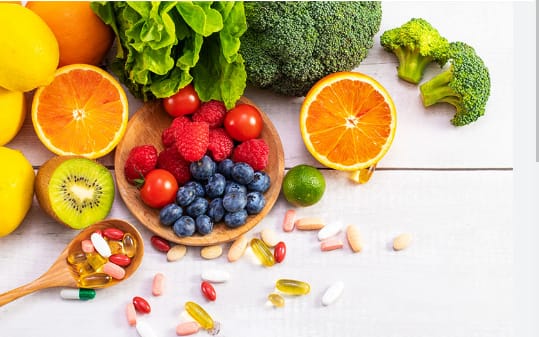
Food Grade Vitamin Premix refers to a blend of essential vitamins and minerals that are added to food products to address nutrient deficiencies and enhance their nutritional profile. These premixes are widely used in food and beverage industries, including bakery, dairy, beverages, confectionery, and infant nutrition, to fortify various food products. They are added to staples like flour, cereal, milk, and baby food to ensure that consumers receive adequate vitamins and minerals in their diet. Instant noodles are fortified either by fortifying the flour used to make the noodles or by fortifying the seasoning consumed along with the noodles. Micronutrients including vitamin A, B1, B2, niacin, folic acid, iron, and iodine can be added. Vitamin Premix market is experiencing steady growth due to factors such as increasing health awareness among consumers and future outlook suggests that the demand for food grade vitamin premix will continue to rise, particularly in the developing regions.

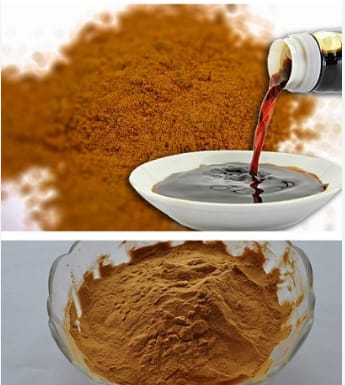
Soy sauce powder is typically made by dehydrating liquid soy sauce. This involves removing the water content from soy sauce through various methods, such as spray drying or freeze drying. The result is a dry powder that retains the flavor and essence of soy sauce. It has a concentrated umami-rich flavor similar to traditional liquid soy sauce. It imparts a salty, savory, and slightly sweet taste to dishes. One of the main advantages of soy sauce powder is its convenience. It has a longer shelf life than liquid soy sauce and doesn’t require refrigeration, making it a practical choice for camping, backpacking, and food storage. Soya Sauce find use in instant soups, ready to eat snacks such as extruded snacks, noodles, wafers, spice mixes, meaty flavor enhancer and also used in salad dressing, vegetable sauces, Soup bases, cold drinks and cold food to enhance the mouth fullness. Soya Sauce is used in seasonings as a base. It’s commonly used in commercial food production, but can also find it for home use.

Maltodextrin is a plant-based white powder made from corn, potato, rice, wheat, or tapioca. It is a white powder or granule that is easy to digest and has a neutral taste. The Food and Drug Administration (FDA) generally recognizes maltodextrin as safe and is widely used as a filler, preservative, thickener or stabilizer in wide range of processed foods. Common uses of maltodextrin in food are;
- Often used as thickner to add thickness and texture to variety of food products.4
- It is used as bulking agent in powdered drink mixes, instant soup and other dry food products.
- It can be used as a carrier for flavors and seasoning. It helps to evenly distribute and stabilize flavors, making them more consistent in various food applications.
- It improves the texture of baked goods, making them softer and more moist. It can also extend the shelf life of certain bakery products.
- In dairy products like ice cream and yogurt, maltodextrin can enhance the creaminess and stability of the final product.

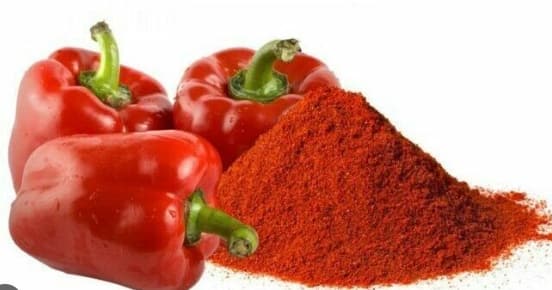
Paprika is made from the dried, ground, ripened fruit pods of less pungent varieties of the Capsicum annum species. Paprika is a universal seasoning and a ubiquitous item in the spice cabinet. It is made of a combination of dried peppers from the Capsicum annum family, which include both sweet and hot peppers. This striking, crimson-red colored powder is very versatile seasoning that can be used in anything and everything. The paprika that’s bottled and sold encompasses lots of different kinds of red peppers, and depending on the sourcing and treatment process it undergoes, paprika can be sweet, spicy, or even smoky. Most paprika comes from Hungary and Spain and is either sweet, hot, or smokey. The type of pepper used, where it comes from, and how it is prepared determines the flavor.