A fat product called Bakery Shortening can be created entirely from vegetable fats and oils. It is frequently substituted for butter in baking recipes and is dairy-free. Because shortening contains no water, there is less chance that items will become soggy, keeping them crisp and strong for longer.
Bakery shortening is a type of fat used in baking to improve the texture, flavor, and shelf life of baked goods. It’s an essential ingredient in many bakery products, including cakes, cookies, pastries, and pie crusts. Here’s a detailed description:

Dehydrated vegetables are vegetables that have had most of their water content removed through a drying process. Dehydrated vegetables are best used as ingredients for soups, casseroles, sauces and stews. Dehydrated cabbage, carrot, okra, etc. are widely consumed by food processing industry in the manufacture of instant vegetable noodles, soups, mixes, snacks and salads. Dehydrated potato products are good snack items. Green dehydrated vegetables offer the same nutritional benefits as fresh green vegetables. They are a convenient, shelf-stable option that can be easily incorporated into meals or snacks. Dehydration preserves the nutrients in the vegetables and removes the water content, resulting in a concentrated source of vitamins, minerals, fiber, and antioxidants. Due to the substantial demand for dehydrated vegetables as a result of their excellent organoleptic qualities, the usage of dehydrated vegetables is rising.
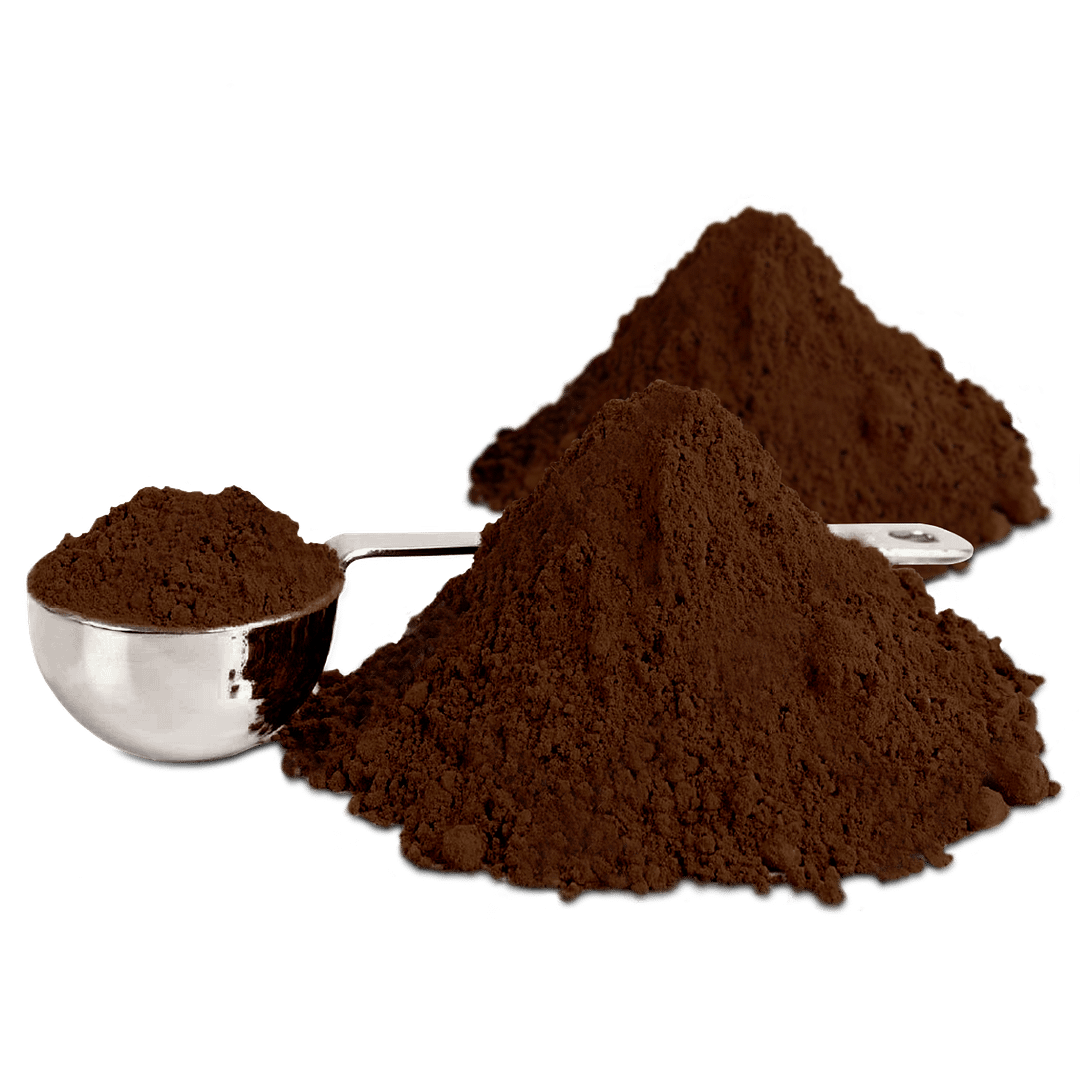
Caramel powder is a sweet, flavored powder derived from caramelized sugar. Its powdered form makes it easy to incorporate into recipes and formulations, allowing food manufacturers to achieve consistent caramel flavor profiles in their products. It’s used to add a rich, caramel flavor to a variety of foods and beverages. Here’s a bit more detail:

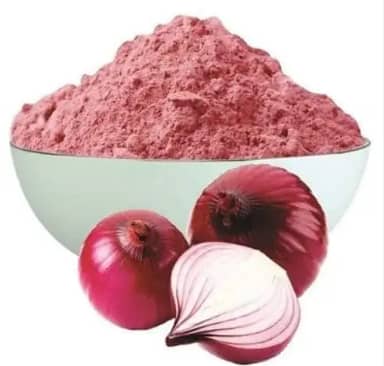
Onion powder is made from dehydrated ground onions and is a wonderful compliment to many foods. It is often mixed with other spices to make delicious blends. Onion powder provides a concentrated onion flavor to dishes without the bulk and moisture of fresh onions. It is milder than fresh onions, so can be use it to add a subtle onion flavor without the intensity of chopped or minced onions. Onion powder is often used as a seasoning to add depth and flavor to a wide range of savory dishes, including soups, stews, sauces, gravies to commercially prepared food product of Nepal.

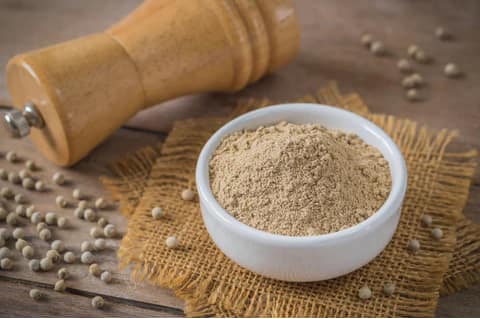
pepper is one of the most popular spices in the world. Both white and black peppers come from the same plant and are used as seasonings. Both black and white peppercorns are berries from the piper nigrum plant. The primary difference between the two is a matter of processing. White pepper is most often used in white or light-colored dishes and sauces so there won’t be any black flecks. It is a little bit hot, a little bit winey and a great deal earthy. White pepper retains the full pungency of black pepper, but has an altered flavor due to partial loss of aroma compounds. White pepper adds a hot kick to dishes and used to create a balanced and full-bodied flavor in dishes. In Nepal, Hyat Enterprises is well renowned for being a pioneer in the sale of white pepper by bringing in the best ingredients from around the globe.

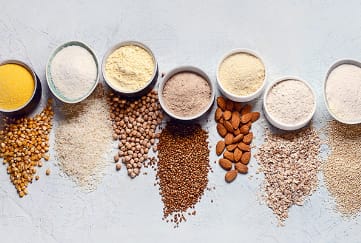
Seasonings are ingredients or condiments that are used to enhance the flavor of food. They come in various forms, including herbs, spices, salt, pepper, sauces, and more. Seasonings play a crucial role in cooking by adding depth, complexity, and taste to dishes. Enhancing the taste of a product, increasing its flavor or even adding a new one is all part of the art of seasoning. Salt, aromatic herbs, spices and bouquet garni are the main ingredients. Salt adds its own flavor, saltiness, and brings out the aromas in dishes. Spices and aromatic plants add aromas or other sensations, such as heat and spiciness. Spices may be used alone or blended, whole or powdered. At Hyat Enterprises we provide superior seasonings to commercial food-based businesses ,throughout the Nepal.

Hydrolyzed vegetable or plant protein (HVP or HPP) is an efficient and excellent flavor and aroma enhancer made from plant-based protein sources, such as soy, corn, and wheat. HVP is widely used in many food items, such as soups, seasonings, snack foods, instant and frozen food products, and many other processed foods. They have good solubility, 100% vegetarian and a great substitute for salt and MSG. HVP render a savoury or meaty flavor to food and works in combination with a lot of flavors including chicken, beef , meat etc.

Chemically calcium carbonate has the formula CaCO3 is a versatile compound widely used in various industries. It appears as a white, odorless powder or crystalline solid and serves as a key ingredient in products like cement, lime, and chalk. In the food industry, it’s used as a dietary supplement and a colorant, while in agriculture, it improves soil quality. Additionally, calcium carbonate is utilized in the pharmaceutical industry and as a filler in plastics and paints. Calcium carbonate is added to improve nutritional properties of instant noodle. Additionally, it will preserve food quality and keep the meal’s color.
Sodium tripolyphosphate is a white, crystalline powder that is soluble in water. It is commonly used in the food industry as a preservative, emulsifier, and texturizer. STPP works by binding to metal ions in food products, which helps to prevent the growth of bacteria and other microorganisms. It is also used to improve the texture and consistency of food products, and to prevent the separation of ingredients. Food additive sodium tripolyphosphate (STPP) as an anti-caking agent can increase the water absorption of noodles and make the noodles white, strong gluten and good elasticity. Sodium tripolyphosphate (STPP), as a quality improver of instant noodle cake, is as common as sodium hexametaphosphate, sodium pyrophosphate and guar gum. It is common in milk, beverage and other food additives. It is a part of a huge variety of household and commercial items. For the preservation of meat, poultry, and seafood, STPP is employed. It is also included in processed cheeses as an emulsifier together with other sodium polyphosphates.

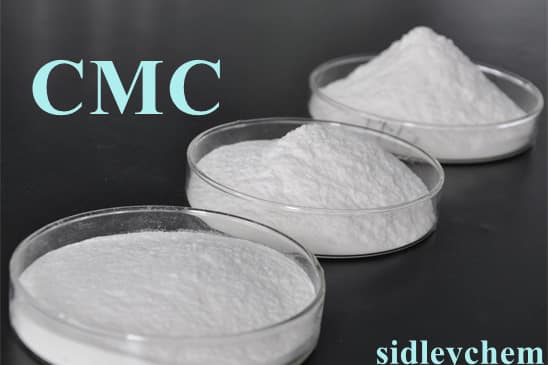
Unlock the potential of your beverages with our premium Carboxymethyl Cellulose (CMC)
- Chemical Formula: C8H16O8
Why Choose our CMC?
Enhanced Texture: Say goodbye to graininess and separation. Our CMC transforms your beverages into velvety, consistent masterpieces that captivate taste buds.
Long lasting stability: keep your ingredients suspended beautifully for longer. NO more setting or uneven mixing, ensuring every sip is a masterpiece of flavor.
Acid and heat resistant: Our CMC stand up to the toughest challenges, from citrus zing to high temperature processing, without breaking a sweat.
Versatile applications: from juices bursting with natural goodness to creamy concoctions that delight the senses, our CMC is the key ingredient that unlocks endless possibilities.
Customer satisfaction: Elevate your brand with beverages that consistently impress. Satisfied customers keep coming back for the unbeatable quality your drink deliver.
Give the beverages the edge they deserve. Elevate your creations with our premium CMC.