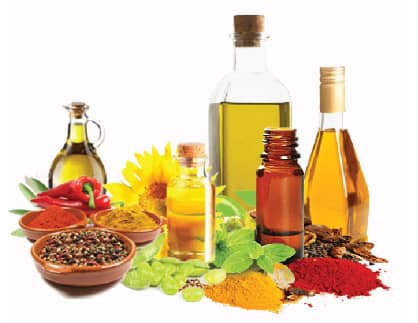
Oleoresins are concentrated extracts from plants, spices, and herbs which have been studied as additives in foods. Extracted from natural sources by different techniques, they are potential substitutes for synthetic additives. oleoresins can promote antimicrobial, antioxidant, anti-cancer, and anti-inflammatory activity to products. Oleoresins are versatile, maintaining original product notes, potent enough to add flavor and color, yet sufficiently nuanced for fragrance or flavor layering. In addition, oleoresins are water-soluble, so they are perfect in liquid mixtures. oleoresins comes in various varieties such as paprika oleoresin, capsicum oleoresin, black pepper oleoresin and more with various strengths as per customer requirements. They are used a lot for savory applications in noodles, spices and snacks industry. Oleoresin comes in liquid and powder form. These extracts are also conveniently shelf-stable for at least 12 months, require less storage space, and don’t need any special temperature considerations.
Yeast extracts are used as food additives, flavorings, or as nutrients for bacterial growth media; they are made up of yeast cell contents without the cell walls. They can be found in a wide range of packaged foods, such as frozen dinners, crackers, snack snacks, gravy, stock, and more. They are frequently employed to produce savory flavors and umami taste sensations. Hyat Enterprises sources yeast extract from the top producers throughout the world.
Malt is cereal grain that has been “malted,” or dried, after it has been germinated. After being submerged in water to cause germination, the grain is dried with hot air to stop further germination. Beer, whisky, malted milk, malt vinegar, Maltesers, Whoppers, Horlicks, Ovaltine, and Milo are few products made from malted grain, as are several baked delicacies such malt bread, bagels, and cookies.
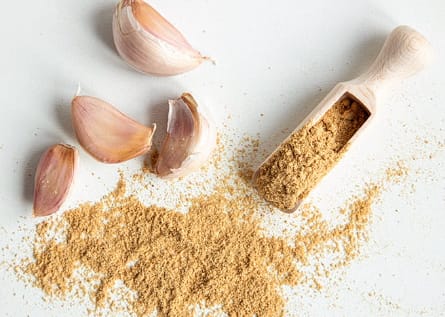
Garlic powder is a spice that is derived from dehydrated garlic and used in cooking for flavor enhancement. The texture of garlic powder makes it ideal for spice rubs. Garlic powder is more useful than the garlic cloves as it can be stored for longer periods and can be used instantly without any hassles of peeling and slicing. It can add loads of aroma and flavor to regular cuisine. A splash of garlic powder can gives noodles a Chinese kick. Instantaneous absorption of the garlic powder and the delicious perfume gives true flavor to the traditional foods and processed foods. Garlic powder demand is rising globally as a result of expanding food and flavor options, expanding customer preferences for flavorful and spicy FMCG products. Hyat Enterprises sources garlic powder from the top producers throughout the world.

Black pepper, nicknamed as ‘black gold’ and the ‘king of spices’, is the most important and widely consumed spice in the world. Black pepper contains between 2-4% essential oils and the compound “piperine” is responsible for its characteristic spicy heat. It adds flavor to almost every food of every nation in the world and is used in rubs, spice blends, salad dressings, and peppercorn blends. A pinch of black pepper powder is high in nutrients and enhances the flavor of your final product. Potassium, iron, vitamin B, vitamin K, vitamin A, zinc, salt, and magnesium are all found in black pepper. These nutrients work together to make product a healthy choice for customers. It also contains piperine, a compound with potential health benefits, including antioxidant and anti-inflammatory properties. Whether used whole, cracked, or ground, black pepper is a key ingredient in many recipes and a fundamental component of kitchen spice racks.

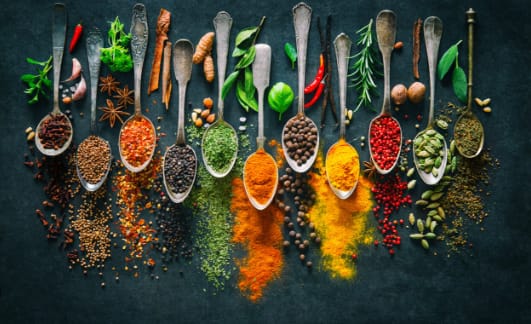
Spices are aromatic substances obtained from various parts of plants, such as seeds, bark, roots, fruits, or leaves, and they are used to flavor and season food. Spices have been an integral part of cooking and cuisine for thousands of years and are valued for their ability to enhance the taste, aroma, and overall sensory experience of dishes. They are used in various culinary traditions around the world and can add a wide range of flavors, from mild and subtle to hot and intense. Spices are the building blocks of flavor in food applications. Spices are available in many forms: fresh, dried, or frozen; whole, ground, crushed, pureed, as pastes, extracts, or infusions and each form has its respective qualities. We supply spices made from the best quality of raw materials that are picked from the renowned markets across the world. These raw materials are consistent in their quality levels, which makes the final product of high quality.
Emulsifiers are substances that help mix two normally immiscible liquids, such as oil and water, into a stable mixture called an emulsion. They work by reducing the surface tension between the two liquids, allowing them to blend more easily. Emulsifiers have both hydrophilic (water-attracting) and hydrophobic (water-repelling) parts, which enables them to interact with both types of substances.Emulsifiers are manufactured from plant, animal and synthetic sources are often used to generate a smooth texture, prevent separation and extend shelf life in processed foods such as mayonnaise, ice cream, and baked goods. Emulsifiers improve the structure of baked goods by enhancing dough whip-ability and conditioning dough. A food emulsifier is a surface-active substance that acts as a barrier between two immiscible liquids, such as oil and water, allowing them to be combined to form stable emulsions.
Here’s a more detailed look at emulsifiers:
- Structure and Function: Emulsifiers typically have a molecule with two different ends. The hydrophilic end interacts with water, while the hydrophobic end interacts with oil or fat. This dual nature helps the emulsifier to bridge the gap between the two liquids, forming a stable emulsion.
- Types of Emulsifiers:
- Natural Emulsifiers: These include substances like lecithin (found in egg yolks and soybeans) and proteins (such as casein in milk).
- Synthetic Emulsifiers: These include compounds like polysorbates (e.g., polysorbate 80) and surfactants that are chemically manufactured to serve as emulsifiers.
- Applications:
- Food Industry: Emulsifiers are widely used in products like mayonnaise, salad dressings, and ice cream to improve texture, consistency, and shelf life.
- Cosmetics: In cosmetics and personal care products, emulsifiers help mix oils with water to create lotions, creams, and shampoos.
- Pharmaceuticals: Emulsifiers can help in formulating medicines, particularly in creating stable suspensions and oral medications.
- Mechanism: Emulsifiers work by forming a layer around droplets of one liquid within the other, preventing them from coalescing (merging) and separating. This helps maintain a uniform dispersion of one liquid in another.
- Importance: Without emulsifiers, many products would separate into their component parts, leading to inconsistent textures and reduced shelf life. They play a crucial role in creating stable formulations across various industries.
Overall, emulsifiers are essential for creating and maintaining stable mixtures of otherwise incompatible substances, making them indispensable in many everyday products.

Introducing our exquisite range of flavors, crafted to elevate the beverage industry of Nepal to new heights. Our flavor selection is a symphony of taste, offering everything from classic cola notes to fruity flavors ensuring perfect balance that harmonizes with the effervescence of carbonated drinks, resulting in a refreshingly crisp and delightful experience. Whether you are aiming to launch a new soda sensation, revitalize a timeless classic, or craft unique seasonal concoctions, our flavors are your secret ingredient to innovation.
With our flavors, you can be confident that you’re serving your customers the best, time and time again. Our flavors are sourced form the finest ingredients and employing cutting-edge techniques to capture the essence of nature in every drop.

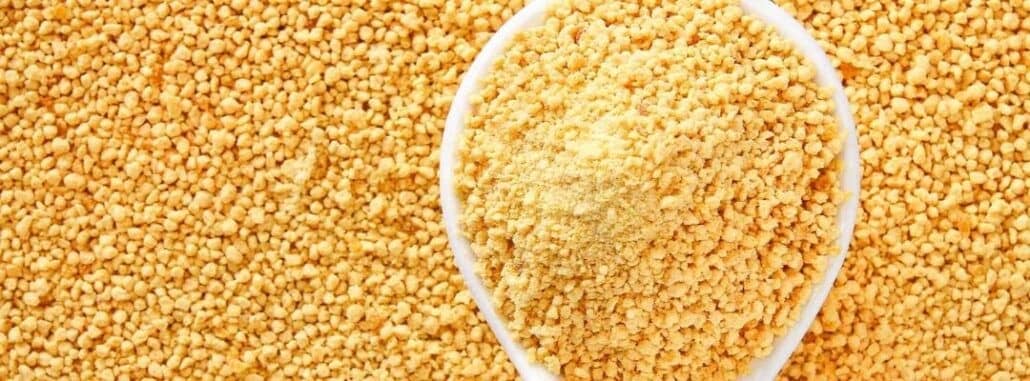
Soy lecithin is a common food additive and emulsifier derived from soybeans. It is often added to chocolate formulations, including milk chocolate and dark chocolate, to improve texture and prevent the separation of cocoa solids and cocoa butter. Soy lecithin also reduces fat bloom by replacing the use of cocoa butter (fat bloom occurs when cocoa butter melts and re-solidifies in the chocolate).
In ice-cream, it is used to improve the dispersion of fat molecules, leading to creamier and smoother texture. It also helps to prevent the formation of ice-crystals. It can extend the shelf-life of dairy products by preventing the breakdown of fats and proteins. It is also used to mimic the texture and mouthfeel of full-fat counterparts by helping to disperse and stabilize the reduced fat content.

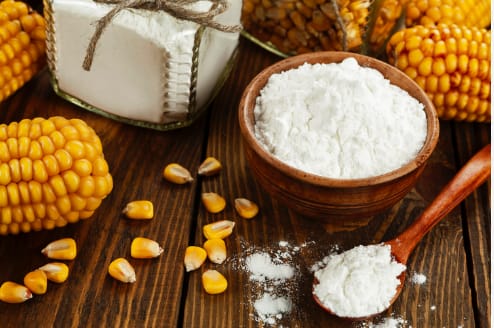
Maize starch, also known as corn starch, is a white, odorless, and tasteless powder that is extracted from the endosperm of the corn kernel. It is a complex carbohydrate that is widely used in the food, pharmaceutical, and chemical industries due to its unique properties. Maize starch has many uses in the food industry. It is commonly used as a thickener, stabilizer, and emulsifier in a wide range of food products, including soups, sauces, gravies, desserts, baked goods and other processed foods. Maize starch is also used as a binding agent in processed meats, as a coating for fried foods and used in the molding, depositing and drying processes of jelly candies to absorb moisture from the candy. In the pharmaceutical industry, maize starch is used as an excipient, which is an inactive ingredient that is added to a medication to help it maintain its shape and consistency. It is also used as a filler in tablets and capsules.